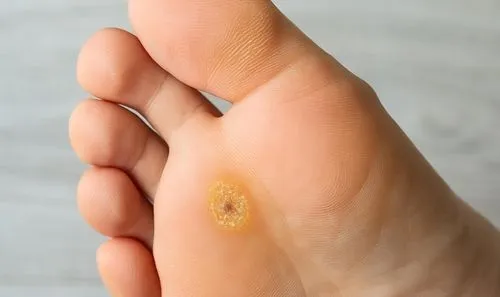
Understanding Plantar Warts and Their Causes
Plantar warts develop when HPV infects the outer layer of the skin, often entering through tiny cuts or abrasions on the feet. Warm, moist environments such as swimming pools, locker rooms, and communal showers increase the risk of infection. Although anyone can develop plantar warts, children, teenagers, and individuals with weakened immune systems are particularly susceptible.
These warts are contagious and may spread from one area of the foot to another or to other people through direct contact. Early identification and treatment are important to prevent discomfort, reduce the risk of spreading, and avoid complications such as secondary infections.
Recognizing Symptoms and Identifying Warts
Plantar warts often appear as small, rough, grainy growths with tiny black dots at the center, which are actually clotted blood vessels. They typically develop on weight-bearing areas such as the heels or balls of the feet, causing pressure and pain when walking or standing. Some patients notice thickened skin around the wart, while others experience tenderness or a feeling of walking on a small stone.
Differentiating plantar warts from other foot conditions, such as calluses or corns, is essential. Podiatric evaluation allows for accurate diagnosis, ensuring the most effective and targeted treatment approach.
Treatment Options and Professional Care
Treatment for plantar warts varies depending on severity, size, and patient preference. Topical medications containing salicylic acid or other keratolytic agents can gradually remove the wart over time. Cryotherapy, which involves freezing the wart with liquid nitrogen, is another common approach that promotes controlled tissue destruction. For persistent or particularly painful warts, minor surgical procedures or laser treatments may be recommended to remove the growth safely and reduce the likelihood of recurrence.
Podiatric specialists also provide guidance on at-home care, including protective padding, proper hygiene, and strategies to prevent reinfection. Following professional advice and maintaining foot health are crucial for successful treatment outcomes.
For patients seeking expert care for plantar warts, Podiatric Physician & Surgeon in Ashland, KY, offers comprehensive evaluation, personalized treatment plans, and compassionate guidance to relieve pain and restore foot health. To schedule an appointment and address plantar warts effectively, call 606-324-3668 today.