Nail Fungus Treatment in Ashland, KY
Nail fungus is a common but stubborn condition that can cause thickened, discolored, and brittle toenails. It can also lead to discomfort, odor, and embarrassment if left untreated. At Body-Mind-Spirit Podiatric Center in Ashland, KY, Dr. Brian Bailey offers effective treatment options for toenail fungus to help patients restore healthy, clear nails and renewed confidence.
What Causes Nail Fungus?
A fungal infection of the nail, called onychomycosis, develops when microscopic fungi enter the nail bed through tiny cracks or openings between the nail plate and skin.
Causes of nail fungus infection can include excessive sweating, wearing shoes that fit too tightly, trauma to the nail, or underlying health conditions such as diabetes or circulation problems.
Recognizing the Symptoms
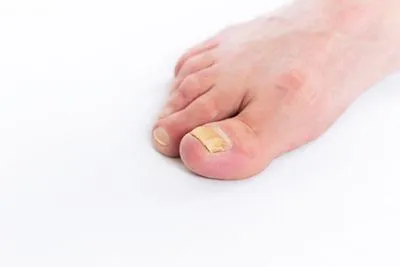
Onychomycosis often begins as a small white or yellow spot under the tip of the nail and gradually spreads over time. The nail may become thick, crumbly, or distorted in shape. The discoloration can deepen, turning gray or brown, and in some cases, the nail may detach from its bed. Because fungal infections may resemble other nail conditions, it’s important to see a podiatrist for an accurate diagnosis and specialized treatment.
Treatment Options for Nail Fungus
At Body-Mind-Spirit Podiatric Center in Ashland, KY, Dr. Brian Bailey tailors each treatment plan based on the severity of infection and individual health needs. Options may include:
- Topical antifungal medication applied directly to the nail surface.
- Oral antifungal prescriptions for more persistent or advanced infections that need systemic care.
- Laser therapy, a modern, non-invasive solution that targets fungus beneath the nail without harming surrounding tissue.
With early treatment and proper foot care, nail fungus can be effectively managed, restoring the health and appearance of your nails.
Combining treatment with proper foot hygiene, such as keeping nails trimmed, dry, and clean, helps improve results and prevent recurrence.
Preventing Recurrence
Prevention is key to long-term success. Patients should wear breathable shoes, moisture-wicking socks, and avoid walking barefoot in public areas. Disinfecting nail tools and alternating footwear can also minimize the chance of reinfection. Regular visits to a podiatrist allow for early detection and ongoing monitoring of nail health.