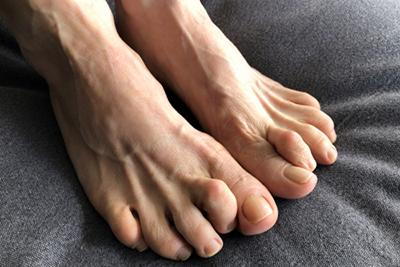
Hammertoes may be small in appearance, but the discomfort they cause can significantly disrupt daily routines. At Body-Mind-Spirit Podiatric Center in Ashland, KY, Dr. Brian K. Bailey offers thoughtful, patient-centered care to help individuals manage painful hammertoes without rushing into surgery. Many people find relief through non-surgical treatments that reduce pressure, improve alignment, and prevent symptoms from progressing.
Understanding Why Hammertoes Develop
A hammertoe forms when one of the toe joints bends abnormally, usually due to muscle imbalance, structural changes, or long-term pressure from tight shoes. Over time, the affected toe may stiffen, rub against footwear, and develop painful corns or calluses. Although surgery may eventually be necessary in some cases, many patients benefit from early conservative treatment that aims to ease discomfort and keep the toe flexible.
Footwear Adjustments That Make a Difference
One of the best ways to manage hammertoes is simply to change footwear. Shoes with a wide toe box, soft materials, and low heels give the toes room to sit naturally without added pressure. Dr. Bailey recommends avoiding narrow or pointed shoes, which force the toes into a bent position and cause irritation. Supportive, well-fitted shoes can provide immediate relief and prevent painful friction.
Custom Orthotics for Better Alignment and Support
Custom orthotics are another valuable tool for non-surgical hammertoe care. These inserts correct biomechanical issues, redistribute weight, and relieve pressure on the affected toes. At Asheville, KY’s Body-Mind-Spirit Podiatric Center, orthotics are personalized to fit each patient’s unique foot structure, providing targeted support that makes walking more comfortable and reduces strain on the toe joints. For many patients, orthotics help slow the progression of hammertoe deformities.
Padding, Splints, and Protective Devices
Simple protective devices can greatly reduce daily discomfort. Toe sleeves, corn pads, and gel cushions limit rubbing and soften the impact of shoes on sensitive areas. Splints and straighteners may also be recommended to guide the toe into a more natural position, especially during the early stages of hammertoe development. These options do not permanently correct the deformity but can minimize pain and inflammation.
Stretching and Strengthening the Toes
Specialized exercises can keep the toe joints more flexible and maintain better balance among the muscles of the foot. Dr. Bailey often encourages patients to practice gentle stretches that extend the toe and strengthen its ligaments and tendons. Over time, these exercises can reduce stiffness and improve stability while walking.
When Conservative Care Is the Right Choice
Non-surgical treatments are especially helpful for patients with mild to moderate hammertoes. Conservative care supports better function, reduces pain, and helps patients stay active comfortably. Even if surgery becomes necessary later, these measures can protect the foot and make recovery smoother.
If you’re experiencing discomfort from a hammertoe, early attention can prevent it from getting worse. Contact Body-Mind-Spirit Podiatric Center in Ashland, KY, to schedule an appointment with Dr. Brian K. Bailey and explore non-surgical solutions. Call (606) 324-3668.